

University is much more than classes, assignments and exams. It’s a stage of life full of changes, new experiences and people who may remain part of your life long after graduation.
And although much of the learning takes place in the classroom, there are things you can only discover by living with others: learning to adapt, getting to know different ways of thinking, sharing experiences or building friendships with people you might otherwise never have met.
Living in an international university residence allows you to enjoy all of this in your everyday life. An experience that not only enriches your university years but can also help you develop useful skills for your personal and professional future.
At Àgora BCN, cultural diversity, activities and living together are part of everyday life at the residence.
1. One Residence, 41 Nationalities and Many Stories to Discover
Did you know that people from 41 different nationalities currently live together at Àgora BCN?
Spain, China, Mexico, Kazakhstan, Italy, Germany, Colombia and Australia are just some of the countries represented in our community.
This diversity means that a conversation over dinner, a meeting in the common areas or a shared activity can become an opportunity to discover other cultures, practise languages and explore different ways of seeing the world.
But the richness of an international community goes beyond cultural exchange. It also allows you to expand your social circle and build relationships with people who study different subjects and have a wide variety of interests and professional goals.
Some of these connections will turn into friendships, while others, who knows, might even open up new opportunities in the future.
Because building a network of contacts doesn’t always begin in a professional environment. Sometimes, it starts by sharing a table at the residence.
2. This Is How Life at Àgora BCN Begins
Arriving in a new city, starting university and adapting to an unfamiliar environment can raise many questions. That’s why the first few days are important for getting familiar with the residence and beginning to feel part of the community.
At Àgora BCN, we organise in-person and online welcome sessions to make the arrival of new residents easier.
During these sessions, residents are introduced to the residence team and given information about the rules of living together, how the different spaces work, the services available, such as the “Sabors del Món” cooking space, and the activities organised throughout the academic year.
But the welcome doesn’t end there!
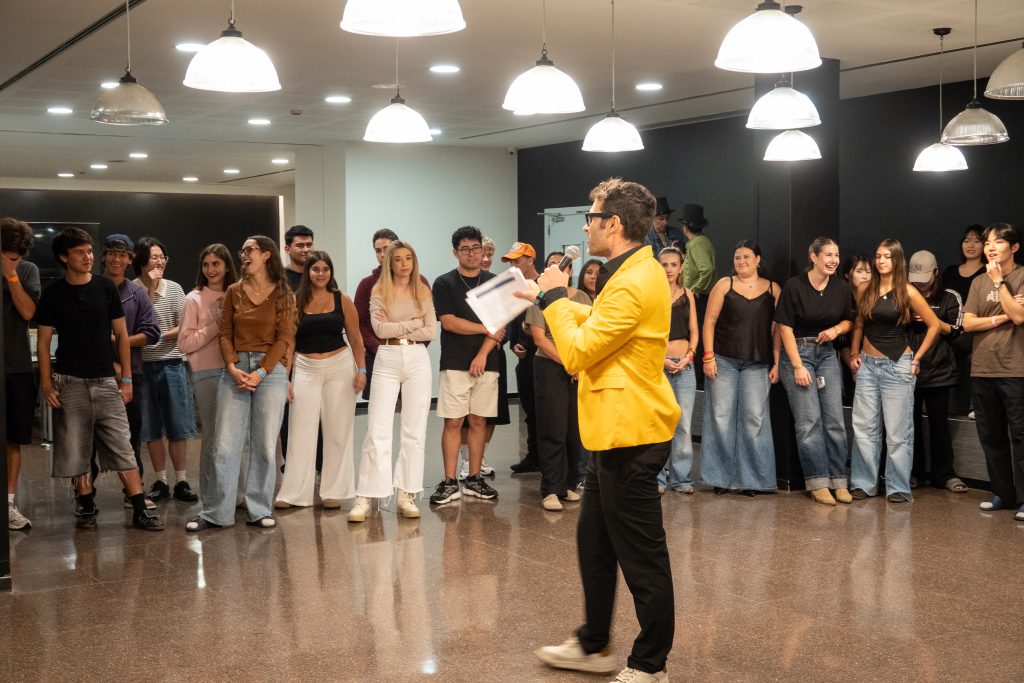
Every year, Àgora BCN organises a welcome party to bring the resident community together and encourage the first connections between the people who will share this stage of their lives.
It’s a perfect opportunity to break the ice, start meeting people and form the first groups of friends. Especially for those arriving in Barcelona without knowing anyone, these moments can make a difference during the first few weeks.
And many friendships that begin during university can continue long after graduation.
3. There’s Always Something to Share
Life in a university residence is also built through the moments shared outside the classroom.
At Àgora BCN, you can take part in cultural, recreational, sports and wellbeing activities that encourage residents to live together and create opportunities to connect.
The diversity of our community also allows you to discover traditions, customs and ways of life from different countries, enriching the experience of sharing a residence with people from different backgrounds.
These activities are a way to take a break from studying, discover new interests and meet people you might not have crossed paths with yet.
What’s more, taking part in activities outside your usual routine can encourage you to try new things, step out of your comfort zone and expand your social circle.
Because an important part of the university experience also happens during those moments you share with other people.
4. What You Learn Outside the Classroom Matters Too
When we think about preparing for our professional future, studies, languages and our first internships usually come to mind. However, there are skills that can also be developed through everyday experiences.
Living with people from different cultures, adapting to new routines or sharing common spaces are situations that help develop skills such as communication, empathy, independence and adaptability.
These skills, known as soft skills or transferable skills, play an important role in the workplace, especially in environments where collaboration and working with people from different backgrounds are part of everyday life.
For example, being part of an international university residence in Barcelona can help you improve your intercultural communication, while participating in group activities allows you to practise collaboration and teamwork.
These are lessons that don’t always appear in your class notes but can stay with you throughout your personal and professional journey.
5. Much More Than a Place to Live
Choosing a university residence isn’t just about finding a room close to your university. It also means choosing the environment where you’ll spend much of your time, share experiences and meet new people.
At Àgora BCN, living alongside people from different cultures and being part of a community are part of your everyday life.
Located next to the Mundet Campus of the University of Barcelona, the residence has study rooms, common areas, sports facilities and outdoor spaces that allow you to combine academic responsibilities with leisure time and shared experiences.
An environment where you can study, share experiences and enjoy a stage of life in which the people you meet can become just as important as everything you learn.
Your University Experience Goes Beyond the Classroom
University is a time to learn, discover new interests and start building your future. But it’s also a time to meet people, enjoy new experiences and create memories that will stay with you for years.
Being part of an international university community allows you to make the most of this stage of life from a different perspective, combining your studies with shared experiences and cultural exchange.